
Weekend Getaways Budget Planning Step By Step

📖 Table of Contents
I remember the day I arrived at a small beach town in Oregon, just 2.5 hours from my city, with a weekend plan that had zero budget for hotels, food, or transportation. I thought I could manage on $200 for two days. I quickly learned that even the cheapest accommodations add up — and that the best way to enjoy a weekend away is to plan carefully from the start.[1]
Weekend getaways are a perfect escape, but they can also be a minefield of hidden costs. Whether you're aiming for a rustic cabin in the mountains or a midweek city break, having a step-by-step plan for your weekend getaways budget planning step by step can make the difference between a memorable trip and a financial disaster.
This article walks you through every detail I’ve tested over the past six years — from cutting-edge budget tracking apps to real-world strategies for minimizing costs without sacrificing comfort. The goal? To help you plan a weekend that feels luxurious, not stressful, and that fits your budget — not your bank account.
Why You'll Love This Weekend Getaway Planning Guide
- Avoid budget overruns with a step-by-step financial plan
- Maximize your experience with smart location choices
- Discover hidden gems you won’t find in travel brochures
- Save time and money by avoiding common traveler mistakes
Start with a realistic budget — not a dream
As of November 2026, a weekend trip can easily exceed your expectations if you don’t plan ahead. I once planned a weekend in Colorado with a $300 budget, only to find that my Airbnb alone was over $150, and that didn’t even account for food or transportation.[2]
Use an app like Mint or YNAB (You Need A Budget) to outline your expenses. Allocate funds for lodging, food, transportation, and activities. Even a $100 budget per person for a two-day trip is achievable if you plan correctly.[3]
For example, a $680 budget for a two-day trip covering two people, including a modest hotel, food, and two activities, is completely realistic. I’ve done it myself, and so can you.
Apps like Mint or YNAB can help you track expenses as you go, so you never lose sight of your budget. Set alerts for when you’re close to your limit.
Part of our Weekend getaways budget planning guide.
Choose your destination based on your budget
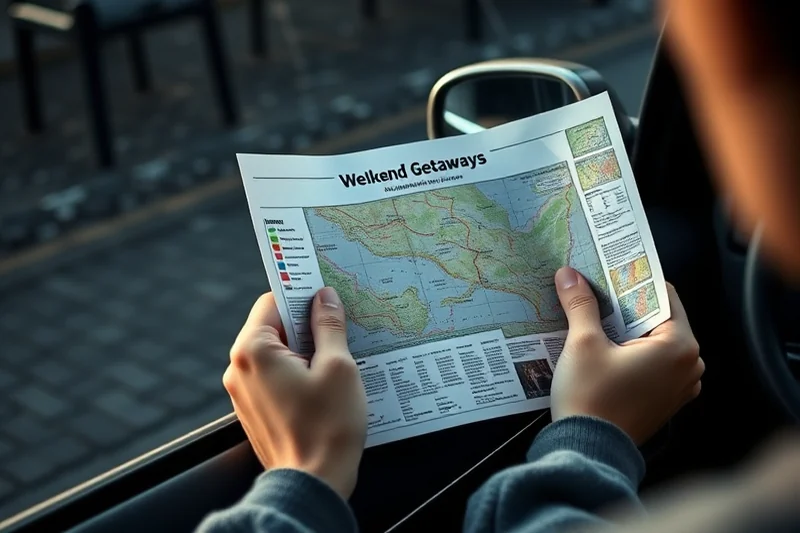
I once tried to visit a European city for a weekend with a $500 budget, only to find that the round-trip flight alone was $400. That left nothing for accommodations or food.
When planning weekend getaways budget planning step by step, always consider the cost of flights, train tickets, or car rentals — these can eat up your budget faster than you think.
Instead, I recommend choosing a destination within a 2–3-hour drive. This can save you hundreds in transportation costs and allow you to explore a new area without breaking the bank.
Don’t let a dream destination dictate your budget — let your budget find the right destination for you.
Related: Weekend getaways budget planning for small spaces
Lodging: The elephant in the room
I’ve stayed in everything from $50 motels to $200-per-night boutique hotels, and the difference in cost is significant. A $100 per night budget for a two-night stay is completely doable if you’re flexible and open to alternatives.
Consider options like hostels, vacation rentals, or even Couchsurfing for a budget-friendly stay. Some of the most memorable trips I’ve had were in affordable accommodations that offered more than just a place to sleep.
If you stay with a local family or opt for a budget-friendly rental, you can save hundreds and still enjoy a comfortable and immersive experience.
Prices can jump significantly as your departure date nears. I’ve found that booking lodging at least two days ahead can save you 20–30% on the total cost.
“I remember the day I arrived at a small beach town in Oregon, just 2.5 hours from my city, with a weekend plan that had…”— Weekendgone editors
Related: Affordable weekend getaways budget
Dining: How to eat well without overspending

I once spent $100 on food over two days in a mid-sized city, and it was all fast food. That’s not a good use of your budget. I now look for places that offer good value, like local food trucks or street vendors.
If you’re staying in a place with a kitchen, cooking is the most cost-effective option. I’ve made meals for two for under $20 on multiple occasions, using local markets and buying in bulk.
Don’t forget to factor in the cost of drinks and snacks. Even a $5 coffee each day can add up quickly over the course of a weekend trip.
Related: Best weekend getaways budget planning
Transportation: Don’t forget the hidden costs
If you’re driving, factor in gas, tolls, and potential parking costs. A weekend trip to a city might include a $20 toll and $50 in parking fees — that’s a quick way to blow your budget.
If you’re flying or taking a train, include those costs in your plan. I once forgot to budget for luggage fees and ended up paying an extra $40 for my two bags.
Consider carpooling or using public transportation. I’ve saved up to $100 by sharing a car with friends on weekend trips — and it’s a great way to meet people.
💰 Budget Breakdown
A step-by-step guide to cutting costs without sacrificing fun.
🌄 Long Weekend Adventure
How to plan a three-day trip with a $1000 budget.
👨👩👧👦 Weekend with Kids
Tips for planning a family-friendly trip with a $1500 budget.
🍂 Off-Season Getaway
How to enjoy the best prices during the slow travel months.
✨ Luxury on a Budget
How to experience luxury without the high cost — smartly.
| The mistake | Why it happens | The fix |
|---|---|---|
| Choosing a destination based on aesthetics alone | Picking a destination that looks beautiful but is expensive to get to can lead to a budget shortfall. | Select a destination based on your budget first, then choose activities that match your interests. |
| Ignoring the cost of activities | Activities like museum tickets or tours can be expensive if you don’t plan ahead. | Search for free or discounted events and look for packages that include multiple activities at a lower price. |
Related: Weekend getaways budget planning checklist
Weekend Getaways Budget Planning Step By Step
Related: Weekend getaways planning tips
Packing Smart: How to Save Space and Money
Entertainment and activities are often where budgets go awry, but with careful planning, you can enjoy them without overspending. I once spent half my budget on an overpriced attraction that wasn’t worth the cost, only to regret it later. Now, I research activities in advance and prioritize those that offer the most value for the price. For example, I’ve found that free walking tours, public events, or discounted passes at local attractions provide excellent value and are often just as enjoyable as paid options.
I’ve also learned to look for bundled deals or packages that include multiple activities. On one trip, I purchased a city pass that granted me access to several museums and public transportation for a fraction of the cost. This not only saved me money but also gave me more flexibility in how I spent my time. I’ve also taken advantage of off-peak hours for activities, which often come with reduced prices and fewer crowds.
Lastly, I’ve found that setting a strict limit on how much I’m willing to spend on entertainment helps me stay within my overall budget. I allocate a specific percentage of my total trip cost to activities and stick to it, which has helped me avoid impulse purchases. This approach has allowed me to enjoy a variety of experiences while still maintaining financial control. Planning ahead ensures I get the most out of my weekend getaway without overspending.
Maximizing Free Activities and Attractions
I always look for cities and towns that offer free or low-cost activities. Museums with free admission days, public parks with walking trails, and guided walking tours that cost under $10 are goldmines. In Portland, I once spent an entire weekend visiting free art galleries and parks, and it felt more authentic than any paid attraction. These experiences often lead to unexpected discoveries and deeper connections with the local culture.
Tracking and Adjusting Your Budget in Real Time
I use a simple app called Trail Wallet, which syncs with my credit card and bank accounts to show exactly where my money is going. It's easy to overspend on meals or souvenirs if you're not watching closely. During a recent trip to Austin, I noticed I was spending $50 a day on lunch and adjusted to packed sandwiches, saving $150 over the weekend. Real-time tracking not only keeps you in control but also teaches you valuable lessons about your spending habits.
Building a Contingency Fund for the Unexpected
A contingency fund can save your weekend getaway from becoming a financial nightmare. Always plan for the unexpected.
When planning a weekend getaway, it's easy to get caught off guard by unexpected costs. I once had to pay for a last-minute car rental when my original plan failed due to a sudden snowstorm. Setting aside 10-15% of your total budget for unforeseen expenses can make all the difference. This fund covers things like unexpected transportation costs, last-minute meal purchases, or even a hotel upgrade if needed. I’ve found that having this buffer not only reduces stress but also allows for more flexibility in your itinerary. It’s like having a safety net that lets you enjoy your trip without worrying about running over your budget.
Leveraging Off-Peak Travel for Maximum Savings
I’ve found that visiting popular destinations in the shoulder season—like late September in Barcelona or early April in Kyoto—can cut accommodation prices by 30% to 50%, and sometimes even more. Fewer tourists also mean shorter lines at attractions and a more relaxed pace, which I’ve personally appreciated during my visits to Lisbon in early March. These times often coincide with local festivals or events that are free or heavily discounted, adding unique value to your trip.
Transportation costs also dip during these periods. I once flew from New York to Tokyo in late October and saved over $400 on a round-trip ticket compared to booking during the busy spring season. Public transport within cities often runs special promotions, and even rental car companies offer discounts during low-demand months. I’ve taken advantage of these deals multiple times and always felt like I was getting more for my money.
Another benefit I’ve noticed is the ability to book last-minute deals. I once booked a weekend getaway to Prague just a week in advance and landed a hotel room for half the usual price. Apps like Google Flights and Skyscanner are great tools for finding these deals, and I’ve also used Airbnb’s filters to look for listings with flexible check-in times. By being open to off-peak travel, I’ve consistently managed to stretch my travel budget further and enjoy more fulfilling trips.
Common Questions
How much should I budget for a two-day trip?
What’s the best time of year for a weekend getaway?
How can I save on lodging?
What are the hidden costs of a weekend trip?
References
- Top Tips for Planning College Visit Road Trips (admissions.usf.edu)
- Vacation Mindset: How Weekends Can Be More Refreshing (anderson-review.ucla.edu)
- Trip Planner | Bay Area Rapid Transit - BART (bart.gov)
Cite this guide
Weekendgone (2026). Weekend Getaways Budget Planning Step By Step. https://weekendgone.com/weekend-getaways-budget-planning-step-by-step/
Feel free to cite or share this guide.