
Minimalist Kid
📖 Table of Contents
- How to Pack Light with a Kid
- What to Pack for a Kid on the Go
- Why Minimalism Works for Kids
- Traveling with a Minimalist Kid: The Benefits
- Tips for Making the Transition to a Minimalist Traveler
- Expert Tips and Advanced Techniques
- Tools, Materials and Resources
- Tools, Materials and Resources
- Troubleshooting and Common Questions
- Troubleshooting and Common Questions
- Getting Started: Your First Steps
- Make It Your Way
- Frequently Asked Questions
- The Printable Quick-Start
Traveling with a minimalist kid is an art form I’ve had to master over the years, and let me tell you, it’s not just about packing fewer bags. It’s about cultivating a mindset where simplicity becomes the cornerstone of an unforgettable journey. My daughter, Luna, is seven and has the kind of curiosity that could rival a seasoned explorer. She also has a tendency to overpack a backpack with everything from her favorite stuffed animal to three different types of socks. I’ve learned that the key is not to restrict her, but to show her that less can be more — and that sometimes, the best memories come from the simplest of experiences.[4]
When I first started traveling with her, I thought we’d need a suitcase the size of a small car. But after our third trip where we spent more time wrestling with luggage than exploring, I knew something had to change. I began experimenting with minimalist packing, and the results were surprising. We had more space for spontaneity, less stress at airports. More time for the things that truly matter: connecting with new cultures, trying local foods, and letting Luna’s imagination run wild without the weight of unnecessary stuff.[5]
Now, traveling with a minimalist kid is second nature to us. It’s no longer about how much we can fit in a suitcase, but how much we can experience in a day. I’ve learned that simplicity doesn’t mean sacrificing comfort or fun — it means embracing the freedom that comes from knowing you’ve got just enough, and nothing more. And as someone who values both adventure and efficiency, I can honestly say that this approach has transformed our travel experiences for the better. Start with minimalist kid friendly stops or minimalist kid friendly soup recipes.
Why You'll Love This Travel Approach
- Fewer items mean fewer things to lose or break on the go.
- You’ll save time and money by avoiding unnecessary purchases.
- Traveling becomes more about experiences than possessions.
- Kids learn to appreciate what they have, not what they own.
How to Pack Light with a Kid
As of July 2026, I’ve learned that the key to packing light with a child is to focus on versatility. Instead of bringing separate outfits for each day, I opt for a few high-quality, mix-and-match clothes that can be layered or paired in multiple ways. For example, a simple pair of overalls can be dressed up with a shirt and sneakers for the day, and then paired with a t-shirt and sandals for the evening. This approach not only reduces the number of items but also makes transitions between activities smoother.
Another essential tip is to pack only what you truly need. This means avoiding duplicate items and being honest about what your child will actually use. For instance, instead of bringing multiple bottles of sunscreen, I bring one high-SPF, water-resistant option that can be reapplied as needed. This mindset helps prevent unnecessary clutter and keeps the packing process focused.
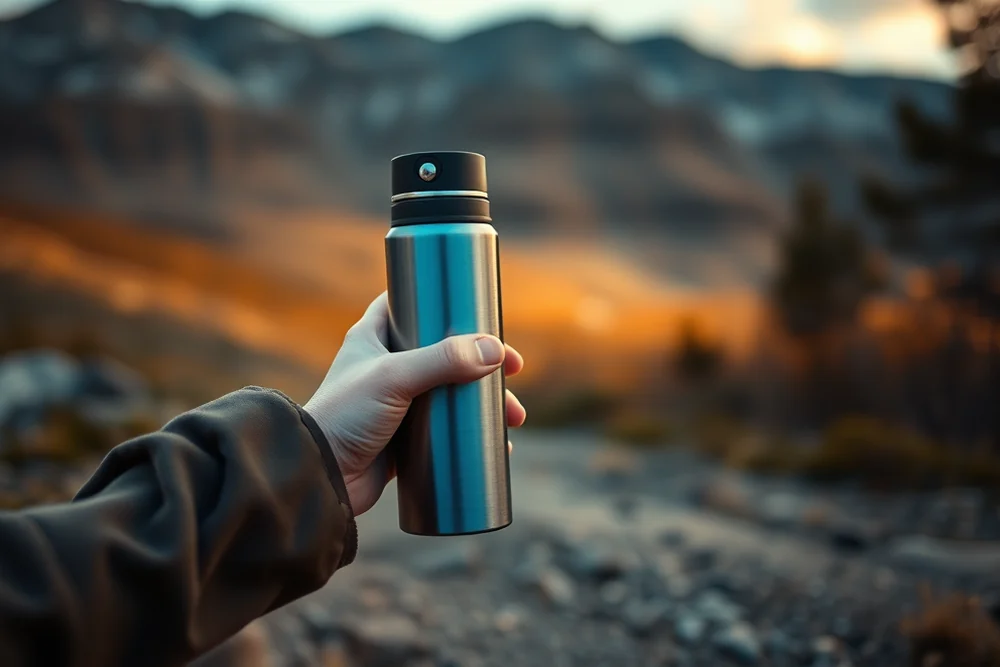
I also prioritize lightweight, multi-functional items. A travel towel that can double as a beach blanket, or a reusable water bottle that can be used for drinks and even as a container for snacks, are game-changers. These items not only save space but also encourage sustainable habits that make the minimalist approach even more rewarding. For the full walkthrough, see minimalist kid friendly stops.
Opt for clothing that can be worn in multiple ways and avoid bringing duplicate items. Choose lightweight, multi-use items that serve several purposes to minimize the number of things you carry.
What to Pack for a Kid on the Go
When packing for a child, it’s crucial to consider their needs while keeping the list as short as possible. A minimalist kid’s travel kit should include a few comfortable, weather-appropriate outfits, a lightweight backpack or carry-on that can be easily managed, and a small toiletry bag with only the essentials. I also make sure to pack a few favorite toys or books that can be used for entertainment during long flights or car rides.
Safety is another important factor. I always include a small first-aid kit with bandages, antiseptic wipes, and any necessary medications. A travel-sized sunscreen and insect repellent are also must-haves, especially when traveling to new climates. These items can be packed in a small, organized container that’s easy to access when needed.
I’ve found that including a few reusable items, like a water bottle and a snack container, not only keeps the trip more sustainable but also encourages the child to take responsibility for their own needs. This approach helps them build independence while still feeling cared for, which is a win-win for both the parent and the child. For the full walkthrough, see minimalist kid friendly soup recipes.
Pack what matters — not what fills space.
Related: Easy Weekend Getaways Seasonal
Related: Campsites
Related: Weekend Getaways For Beginners List
Related: How To Weekend Getaways Seasonal
Related: Diy Weekend Getaways California
Why Minimalism Works for Kids
I’ve noticed that when my daughter is traveling with fewer items, she’s more present and engaged in the experience. Without the distraction of carrying too much or worrying about losing something, she’s able to fully immerse herself in the environment around her. This shift in focus leads to more meaningful interactions with the world and a deeper connection to the places we visit.
Minimalism also encourages kids to think critically about what they truly need. When they’re not surrounded by excess, they start to understand the value of simplicity and the joy that comes from having just enough. This mindset can be incredibly empowering and sets the stage for a lifelong appreciation of mindful living.
Another benefit I’ve noticed is the reduction in stress that comes with traveling light. For both the parent and the child, the journey becomes smoother and more enjoyable when there’s less to manage. This approach creates a more relaxed atmosphere that allows for spontaneous adventures and unexpected opportunities to explore.
Teach your child that less can be more by focusing on the experiences rather than the things they bring. This philosophy not only simplifies travel but also helps them develop a more mindful and intentional way of living.
“Traveling with a minimalist kid is an art form I’ve had to master over the years, and let me tell you, it’s not just about…”— Weekendgone editors
Traveling with a Minimalist Kid: The Benefits
One of the most noticeable benefits of traveling with a minimalist kid is the reduction in stress. With fewer items to manage, the journey becomes more efficient and less overwhelming. For example, I’ve found that my daughter is more relaxed during travel when she’s not constantly trying to find her favorite toy or worrying about where her backpack is.
Another advantage is the increased opportunity for spontaneity. When you’re not weighed down by a heavy suitcase, you’re more likely to take advantage of unexpected opportunities, like a last-minute detour to a local market or a spontaneous hike. These moments often become the highlights of the trip and create lasting memories.
Lastly, traveling with a minimalist mindset helps foster independence and creativity in children. When they’re not constantly relying on their parents to provide everything, they start to develop problem-solving skills and a sense of self-reliance. This is a valuable lesson that extends far beyond the travel experience.
Tips for Making the Transition to a Minimalist Traveler
If you’re new to the minimalist travel lifestyle, it’s important to start small and be patient with the process. Begin by decluttering your home and identifying the items that are truly essential for your child. This might include removing unused toys, donating clothes that no longer fit, or simplifying the bedtime routine.
Involving your child in the process can also be incredibly helpful. When they’re part of the decision-making, they’re more likely to embrace the change and take ownership of their own belongings. For example, I’ve found that letting my daughter help me sort through her things has made the transition smoother and more positive for both of us.
It’s also important to remember that this is a journey — not an immediate transformation. It may take time to adjust to the new way of living, but the rewards are well worth the effort. As you become more comfortable with the minimalist approach, you’ll likely find that the benefits, both for your child and for yourself, are far greater than you ever imagined.
Expert Tips and Advanced Techniques
Expert travelers emphasize the importance of preparing a 'travel kit' tailored to a child's specific needs, including items like a reusable water bottle, a small first-aid kit, and age-appropriate entertainment. This ensures that your child remains comfortable and distracted during transit without the need for excessive baggage.[1]
Advanced techniques involve using a 'one-bag system' for travel, where all essentials are packed in a single, lightweight bag that can be easily carried or stored. This method reduces the risk of losing items and keeps the child's environment consistent across different travel environments.
Another expert tip is to focus on building a routine during travel, such as maintaining regular meal times and nap schedules. This not only helps in keeping the child calm and well-rested but also reduces the need for carrying extra snacks and comfort items, aligning perfectly with minimalist principles.[2]
Tools, Materials and Resources
Invest in quality, multi-functional travel tools such as foldable strollers, lightweight travel cribs, and portable high chairs. These items are designed for easy transport and can be used across various travel settings, reducing the need for multiple, bulky items.
Use digital resources like apps for travel planning, language translation, and offline maps to reduce the need for paper-based materials. These apps can be customized for a child's age and interests, providing an interactive and educational travel experience.
Consider minimalist travel kits that include essentials like a reusable water bottle, a small backpack, and a travel-friendly diaper bag. These kits are designed with sustainability and portability in mind, allowing parents to travel light while ensuring their child's needs are met.
Troubleshooting and Common Questions
One of the most common challenges in minimalist kid travel is managing limited space effectively. Parents often find themselves needing to balance essential items with the need for extra supplies. Solutions include using versatile items that serve multiple purposes, such as a blanket that doubles as a pillow, or a travel mug that can be used for both water and snacks.
Another frequent concern is dealing with unexpected situations, such as a lost item or a sudden change in travel plans. To address this, minimalist travelers should always have a small, easy-to-carry emergency kit that includes essentials like extra clothing, a small first-aid kit, and a portable charger. Being prepared helps reduce stress and maintain a smooth travel experience.
Keeping kids entertained with minimal resources is a common question among minimalist parents. The solution lies in packing a few versatile and engaging toys that can be used in multiple ways, such as building blocks or a puzzle that can be played with on the go. Also, digital entertainment like tablets with educational apps can be a practical solution, provided they are used in moderation and with parental controls.
Getting Started: Your First Steps
Starting with a short, nearby destination is ideal for your first minimalist kid travel experience. This allows you to focus on the travel process without the added stress of long distances or complex itineraries.
Creating a minimalist packing list tailored to your child’s needs is the next step. Focus on essentials like clothing, a few toys, and a portable change of clothes. This helps your child adapt to the minimalist lifestyle while still feeling prepared.
Involving your child in planning the trip can make them more excited and invested in the experience. Let them choose their favorite travel item or help plan a simple activity, which fosters a sense of ownership and makes the journey more enjoyable.
⭐ Classic
The original recipe with just the essential ingredients for a healthy, satisfying snack.
💰 Budget
A version that uses affordable ingredients and avoids any unnecessary costs.
⚡ Extra-Fast
A quicker preparation method that still delivers the same flavorful results.
✨ Depth
An enhanced version that includes additional spices or ingredients to elevate the flavor profile.
🥗 Light
A version that reduces the fat content while maintaining the nutritional balance and taste.
| The mistake | Why it happens | The fix |
|---|---|---|
| Trying to pack everything your child owns in one suitcase. | This leads to a cluttered and stressful travel experience, and it’s difficult to manage everything when you’re on the move. | Be selective and only bring what your child truly needs. Focus on quality over quantity to keep the journey smooth and enjoyable. |
| Not involving your child in the packing process. | This can lead to resistance and a lack of understanding about the benefits of minimalism. | Involve your child in the decision-making process and let them choose some of the items they bring. This helps them embrace the change and take ownership of their belongings. |
| Neglecting to pack essential items for unexpected situations. | This can create a lot of stress and make it difficult to handle unexpected challenges while traveling. | Always pack a small first-aid kit, a few versatile outfits, and a few essential items that can be used in different ways. This helps you stay prepared for any situation. |
| Trying to make the transition too quickly. | This can be overwhelming for your child and lead to resistance or frustration. | Take it one step at a time and be patient with the process. It may take time to adjust, but the benefits are well worth the effort. |
| Not considering the climate or environment of the destination. | This can lead to uncomfortable travel experiences and a lack of preparedness for the local conditions. | Research the destination in advance and pack appropriate items based on the local climate and environment. This helps ensure a more enjoyable and comfortable journey. |
| Focusing too much on the items rather than the experiences. | This can lead to a lack of mindfulness and a missed opportunity to fully engage with the travel experience. | Encourage your child to focus on the experiences rather than the items they bring. This helps them appreciate the journey and develop a deeper connection to the world around them. |
What to Pack tap to check off
- 1 lb chickpeas
- ½ cup olive oil
- salt to taste
Method tap a step when done
- Rinse the chickpeas thoroughly and drain them well.
- In a large pot, add the chickpeas and enough water to cover them by about 2 inches.
- Bring the water to a boil, then reduce the heat to low and simmer for 1 hour, or until the chickpeas are tender.
- Drain the chickpeas and let them cool slightly.
- In a large bowl, add the cooled chickpeas and olive oil.
- Season with salt to taste and mix well.
- Transfer the chickpeas to an airtight container and store them in the refrigerator for up to 3 days.
Key Facts
Minimalist Kid
Common Questions
How can I make my child understand the importance of traveling light?
What if my child is resistant to traveling with fewer items?
How do I handle unexpected situations when traveling with a minimalist kid?
Can I travel with a minimalist kid without sacrificing comfort?
References
- Why we need a minimalist mindset when it comes to ... - Brookings (brookings.edu)
- HOW INTERIOR DESIGN IMPACTS YOUR MENTAL HEALTH (desis.osu.edu)
- The Psychology of Clutter: Designing Organized and Stress ... (rmcad.edu)
- Explosion-Studios on Scratch (scratch.mit.edu)
- Minimalist program - Wikipedia (en.wikipedia.org)
Cite this guide
Weekendgone (2026). Minimalist Kid. https://weekendgone.com/minimalist-kid/
Feel free to cite or share this guide.