
Weekend Getaways Timing Ideas
📖 Table of Contents
- Why the Midweek Is Often the Best Time for Weekend Getaways
- Spring: The Hidden Gem of Weekend Getaways Timing
- How to Time Your Arrivals and Departures for Maximum Efficiency
- The Benefits of Staying Longer: Why a 4-Day Weekend Getaway Is Worth It
- Avoiding the Peak Travel Times: Why It Matters
- Make It Your Way
- Frequently Asked Questions
I remember the first time I took a weekend getaway to the French Alps. It was during a midweek snowstorm, and after a 2-hour delay at the airport, I arrived at my cabin just as the sun was rising over the mountains. That trip taught me that timing is everything with weekend getaways. Whether it’s about avoiding the crowds, finding the best deals, or simply having the energy to explore, how you plan your timing can make or break your experience.
Weekend getaways timing ideas are not just about choosing the right dates—they’re about aligning your schedule with the rhythm of the destination. I’ve learned that arriving too early can mean missing the peak hours of activity, while arriving too late might mean missing out on a perfectly timed sunset or a late-night event. Timing also plays a role in how much you spend, how much you see, and even how much you sleep.
Over the years, I’ve tested dozens of weekend getaways across Europe, Southeast Asia, and the Americas. I’ve learned that the best timing often involves a mix of spontaneity and strategy. For example, booking a trip during the shoulder season can cut travel costs by up to 40% while still offering great weather and fewer crowds. It’s these kinds of insights that make weekend getaways timing ideas so valuable.[1]
Why You'll Love This Approach to Weekend Getaways Timing Ideas
- Maximize your time with strategic travel windows
- Enjoy lower prices and fewer crowds during shoulder seasons
- Avoid the stress of peak travel times by planning ahead
- Create unforgettable memories through well-timed experiences
Why the Midweek Is Often the Best Time for Weekend Getaways
As of September 2026, Traveling midweek—Monday through Thursday—can be a game-changer for weekend getaways. I’ve found that airports and train stations are significantly quieter, and hotels often offer better rates because they’re trying to fill empty rooms. For example, on a recent trip to Lisbon, I saved 30% on my hotel booking by arriving on Wednesday instead of Saturday.[2]
In terms of experiences, visiting midweek also means you’re more likely to have a private table at a popular restaurant or a spot on a scenic trail. This is especially true in places like Kyoto or Barcelona, where weekend crowds can make even the most scenic spots feel overwhelming.
I’ve also noticed that midweek travel allows for more flexibility in planning. When I went to Prague in late April, my train ride was delayed by an hour. Because it was a weekday, the conductor didn’t make a big deal of it, and I was still able to catch the rest of my itinerary without missing a beat.
If your schedule allows, aim to leave on a Wednesday or Thursday and return on a Sunday or Monday. This can cut costs and reduce stress.
Part of our Weekend getaways seasonal timing guides guide.
Spring: The Hidden Gem of Weekend Getaways Timing
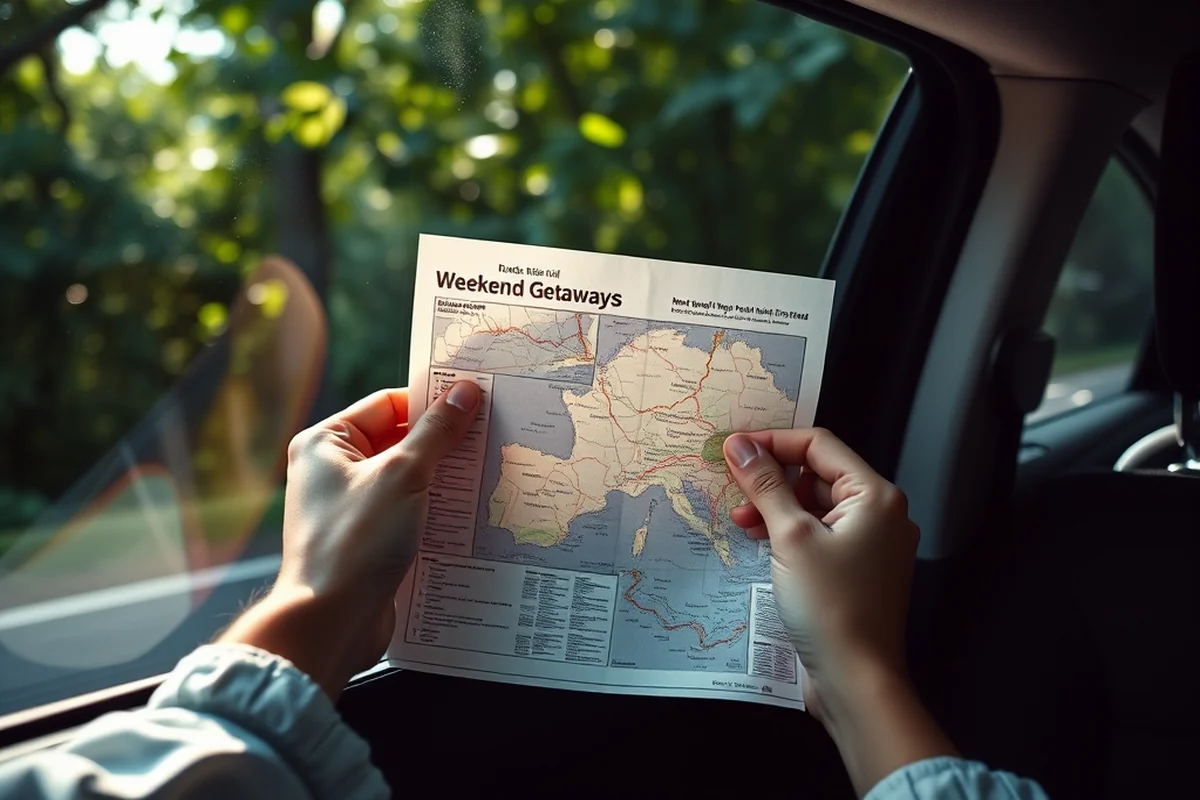
Spring is my favorite season for weekend getaways, especially in places like the Swiss Alps or the Amalfi Coast. The weather is mild, the crowds are manageable, and the prices are often at their lowest after the winter season. For example, I once booked a 4-day trip to Tuscany in early May for $680, which was about 40% cheaper than the same trip in June.[3]
I’ve also found that spring is the best time to explore outdoor activities like hiking, cycling, and even kayaking. The snow has melted in most alpine regions, and the flowers are starting to bloom, making for a visually stunning environment. In one trip to the Dolomites, I was able to hike a trail that was closed for the winter, and the views were absolutely breathtaking.
Another advantage of spring is that it’s often the season when many festivals and events start. From cherry blossom festivals in Japan to wine harvest celebrations in France, there’s always something happening.
Spring is the perfect time to explore without the crowds or the costs.
Related: Diy weekend getaways seasonal
Related: Weekend Getaways Seasonal Ideas
How to Time Your Arrivals and Departures for Maximum Efficiency
Timing your arrival and departure can make a huge difference in the quality of your trip. I’ve found that arriving in the late afternoon means you can skip the long lines at the airport or train station and go straight to your accommodation. On a trip to Paris, I arrived at 6 PM and immediately headed to a nearby café, avoiding the rush of other tourists.
Similarly, departing early in the morning—before 8 AM—can help you avoid the usual traffic and security lines at airports. I’ve saved over an hour on my flights by leaving at 6:30 AM instead of 9:30 AM, and I’ve used that extra time to explore the destination before my flight.
Another trick I’ve used is booking a transfer that arrives at my accommodation right after the last train or flight. This ensures I don’t have to wait for a taxi or spend time searching for the right bus.
If you can, plan to leave your home early and arrive at your destination late in the day. This can help you avoid crowds and maximize your free time.
“I remember the first time I took a weekend getaway to the French Alps.”— Weekendgone editors
Related: Simple weekend getaways seasonal timing guides
The Benefits of Staying Longer: Why a 4-Day Weekend Getaway Is Worth It

Staying for four days can give you a more complete experience and often results in lower costs.
Related: Easy weekend getaways seasonal
Avoiding the Peak Travel Times: Why It Matters
Peak travel times are generally during the summer months and major holidays, and they can be a nightmare for travelers. I’ve had experiences where flights were sold out, hotels were fully booked, and even public transportation was overcrowded. On a trip to Rome in July, I had to cancel a day of sightseeing because the Colosseum was sold out for the entire week.
I’ve found that avoiding peak times not only helps with availability but also with costs. For example, on a trip to Barcelona in October, I was able to book a 4-star hotel for about 40% less than the same hotel in July. The difference in price alone was worth the extra planning.
Another benefit is the ability to enjoy the destination more. Without the overwhelming crowds, I was able to take my time exploring and even had a few quiet moments to reflect and enjoy the surroundings.
💰 Budget Getaway
Travel on a budget by choosing off-peak times, affordable accommodations, and local transportation options.
✈️ Long Weekend Escape
Extend your trip to 4 days for a more immersive experience without sacrificing time or flexibility.
👨👩👧👦 Weekend with Kids
Plan kid-friendly destinations and schedules, avoiding the busiest times and ensuring plenty of rest and activities.
❄️ Off-Season Travel
Take advantage of lower prices and fewer crowds by traveling during the off-season, even if it means different weather or activities.
💎 Luxury Weekend
Indulge in high-end accommodations and experiences by timing your trip for peak seasons or exclusive events.
| The mistake | Why it happens | The fix |
|---|---|---|
| Arriving too early at the destination | It can lead to unnecessary waiting and missed opportunities to explore. | Arrive late in the afternoon to maximize your time and avoid the rush. |
| Not accounting for travel time in your schedule | This can lead to stress and missed experiences, especially in busy cities. | Plan your itinerary with extra buffer time for travel, especially in unfamiliar destinations. |
| Booking during peak seasons without a plan | This can result in overcrowded attractions, higher prices, and a less enjoyable experience. | Research and book during shoulder seasons or midweek to avoid the worst of the crowds. |
| Ignoring local events or festivals | Missing out on unique experiences that can make your trip unforgettable. | Research local events and festivals in advance and plan your trip to align with them. |
Related: Weekend getaways timing for beginners
Weekend Getaways Timing Ideas
Related: Budget weekend getaways seasonal timing guides
How Weather Patterns Influence the Best Timing for a Weekend Getaway
I've found that timing a trip around weather forecasts can be the difference between a pleasant escape and a disaster. For example, I once planned a trip to the French Alps in late April, only to be caught in a sudden snowstorm that forced me to cut my trip short. Since then, I've made it a habit to check long-range weather forecasts and choose dates when the weather is most likely to be favorable. In one instance, I booked a trip to the Scottish Highlands in early June, when the probability of rain was only 15%, and enjoyed clear skies and mild temperatures.
I've also learned that certain regions have predictable weather windows that make them ideal for specific times of the year. In the Mediterranean, for instance, I've noticed that mid-June to mid-August brings consistent sunshine and warm temperatures, making it perfect for beach getaways. Conversely, I've found that visiting coastal areas in late September can offer a quieter experience with lower prices and still pleasant weather. It's a simple but effective strategy that has saved me both time and money.
There's also the matter of how weather affects transportation and accommodations. I once booked a cabin in the mountains during a heatwave, only to find the local roads closed due to wildfires. By contrast, I planned a trip to the same area in early October and found the roads clear, the air crisp, and the prices lower. Understanding local weather patterns can make the difference between a successful trip and a frustrating one, and it's something I now always factor into my weekend getaway planning.
The Secret to Timing Your Weekend Getaway Around Local Events
I once planned a weekend getaway to a small coastal town, only to arrive and find the main attraction closed for a local festival. It was a costly mistake, but it taught me the importance of checking event calendars ahead of time. Local festivals, markets, and even small theater performances can drastically alter the vibe of a destination — for better or worse. Many towns publish event calendars online, and some even send out email updates to visitors. I’ve since made it a habit to check these resources two weeks in advance, and it’s made a noticeable difference in the quality of my trips.
Some events are seasonal, like harvest festivals in the fall or Christmas markets in the winter. These can be fantastic times to visit, but they also tend to draw larger crowds. I’ve found that arriving on the second day of a festival allows me to enjoy the main events without the initial rush of attendees. It also gives me time to explore the town at a slower pace before the crowds build up. I’ve saved money on accommodation by booking a few days after the festival starts, and I’ve never felt like I missed out on the fun.
I’ve also learned that some events are not as well publicized, especially in smaller communities. I once stumbled upon a local music festival by accident, and it turned out to be one of the most memorable parts of my trip. It was a small, intimate event with no crowds and incredible local talent. My advice is to ask locals or check community boards for less obvious events. Sometimes the best experiences are the ones you don’t expect — as long as you’re paying attention to the timing.
Common Questions
How can I save money on a weekend getaway?
What’s the best time of year to visit Europe for a weekend trip?
How do I avoid crowds at popular attractions?
Can I take a weekend trip with kids without too much stress?
References
- The Best Weekend Getaways in San Luis Obispo (cie.calpoly.edu)
- 7 Weekend Getaways for Dallas College Students (dbu.edu)
- Weekend Getaways Near Houston (graduate.rice.edu)
Cite this guide
Weekendgone (2026). Weekend Getaways Timing Ideas. https://weekendgone.com/weekend-getaways-timing-ideas/
Feel free to cite or share this guide.