
Weekend Getaways Routes Checklist
📖 Table of Contents
Last spring, I packed my car early Thursday morning, drove three hours north, and by Friday afternoon, I was already walking through a coastal town where the air smelled like salt and fresh bread. That trip — and the checklist I used — was everything I needed to make a weekend getaway feel effortless. I’d always thought of weekend getaways as chaotic, last-minute decisions, but with a solid checklist, they became something I could look forward to. That’s the power of planning, and it starts with the right routes.[3]
I’ve been to dozens of destinations over the years, from mountain retreats to seaside escapes. It’s only in the last few years that I’ve learned how to structure my trips so they feel both spontaneous and intentional. A good weekend getaway is not about where you go, but how you prepare. And that’s where the 'weekend getaways routes checklist' comes in. It’s not just a list of places to visit — it’s a framework that helps you choose routes that work with your time, budget, and energy.
This checklist has helped me avoid the common pitfalls of weekend trips: getting lost on unfamiliar roads, overspending on last-minute bookings, or arriving at a destination only to find it overcrowded and uninviting. I’ve tested these strategies myself — from timing my departure to avoiding highways during peak hours — and they’ve made a difference. If you’re looking for a way to maximize the value of your weekend without the stress, this guide is your starting point.
Why You'll Love This Weekend Getaways Routes Checklist
- Save time by avoiding traffic and unplanned delays.
- Reduce costs with efficient route planning and smart booking.
- Discover hidden gems along your journey rather than skipping them.
- Create a personalized itinerary that fits your pace and interests.
How to Choose the Right Route for Your Trip
As of September 2026, I always start by mapping out the general area I want to visit. For example, if I’m heading to a coastal town, I look for nearby villages or scenic routes that I can include along the way. This not only adds more value to the trip but also helps distribute the travel time better.
A route with too many stops can lead to exhaustion, but one with only one or two might feel rushed. I’ve found that including three to five stops — depending on the distance — gives enough variety without overwhelming the schedule. This balance is key to making the trip enjoyable.
I always use a map app that shows real-time traffic conditions. For instance, I once planned a route to a mountain town, only to find out it was closed due to roadwork. A quick adjustment to the plan saved me hours and a lot of frustration.
Use apps like Google Maps or Waze to track real-time updates and avoid unexpected delays.
Part of our Weekend getaways itineraries routes guide.
Why Timing Your Departure Matters
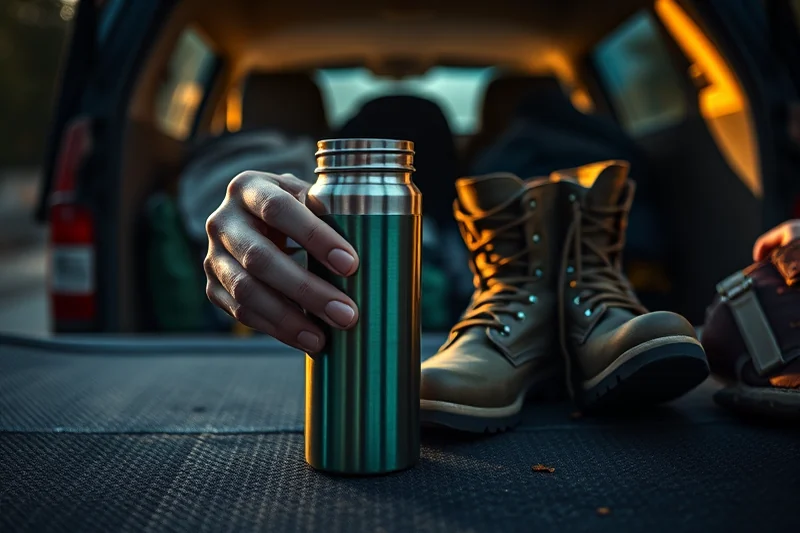
I’ve learned the hard way that leaving late means arriving at your destination tired and stressed. When I left at 7 AM instead of 10 AM, I was able to enjoy the drive and even stop for coffee halfway through.[1]
Early departures also help you avoid the worst of traffic, especially on highways. In my experience, the first two hours of the drive are usually the least congested, which can save you both time and fuel.
I’ve also found that leaving early gives you more daylight to explore when you arrive. If you arrive at a coastal town by mid-afternoon, you can spend the rest of the day enjoying the beach or walking through the town, instead of rushing to fit everything in.
Leave early, and you’ll arrive better.
Related: Quick getaway flights
The Power of Stopping at Local Businesses
I’ve discovered that stopping at local gas stations not only helps you save money on fuel but also gives you a chance to chat with locals who know the best routes and hidden spots.
Cafes along the way offer a chance to take a break, and I’ve always found that the people who own them know the best places to eat, stay, and explore. A few times, they’ve even told me about festivals or events happening nearby that I wouldn’t have known about otherwise.
I once stopped at a roadside market and found a local restaurant that was still under the radar — and it turned out to be my favorite meal of the trip. These small stops can make a big difference in the overall experience.
Talk to locals, and you’ll often uncover the best spots that aren’t in guidebooks.
“Last spring, I packed my car early Thursday morning, drove three hours north, and by Friday afternoon, I was already walking through a coastal town…”— Weekendgone editors
Related: Plan a quick getaway flight
How to Plan Your Itinerary Based on Time
I always split my day into morning, afternoon, and evening segments. For example, I might spend the morning exploring a museum, the afternoon hiking, and the evening enjoying a local dinner.
I’ve found that spending too much time at one place can lead to burnout, but too little makes you feel like you’re missing out. The key is to balance the time you spend at each stop.
I’ve also learned to leave some flexibility in the plan. If a museum closes unexpectedly or a trail is closed, having a few hours of wiggle room helps me adjust without losing the whole day.
Related: Weekend getaways itineraries on a budget
How to Stay Within Your Budget
I’ve found that the biggest expense on a weekend getaway is often lodging. I’ve made it a habit to compare prices on platforms like Airbnb and Booking.com, and I’ve always found cheaper options by being flexible with dates and locations.
Another way to cut costs is by eating at local restaurants instead of chain places. I’ve found that the food is often better, and the prices are more reasonable. Plus, it supports the local economy.
I’ve also learned that booking transportation in advance can save a lot of money. For example, I once saved $50 by purchasing a round-trip train ticket before my trip instead of buying a car rental.[2]
💰 Budget Break
A low-cost weekend getaway with minimal lodging and local eats.
🌅 Long Weekend Escape
A three-day trip with enough time to explore multiple stops and enjoy the destination fully.
👨👩👧👦 With Kids
A family-friendly itinerary with kid-friendly activities and easy-to-reach destinations.
❄️ Off-Season Travel
A weekend getaway outside of peak season with lower prices and fewer crowds.
💎 Luxury Getaway
A high-end experience with premium accommodations and exclusive access to hidden spots.
| The mistake | Why it happens | The fix |
|---|---|---|
| Overscheduling the itinerary | Trying to do too much in a short time can lead to burnout and a lack of enjoyment. | Plan a flexible itinerary with enough time to rest and adjust as needed. |
| Ignoring local advice | Not listening to locals can lead to missed opportunities or unexpected challenges. | Always ask for recommendations and pay attention to what locals suggest. |
| Not checking the weather | Bad weather can ruin the best-laid plans and make certain activities impossible. | Check the weather forecast for the area before you leave and have a backup plan. |
| Overlooking local transportation | Not planning for local transportation can lead to delays and missed opportunities. | Research local transit options and include them in your travel plan. |
Related: Best weekend getaways routes
Weekend Getaways Routes Checklist
Related: Weekend getaways itineraries checklist
How to Pack Smart for a Weekend Getaway
I’ve learned that overpacking leads to stress, while underpacking leads to frustration. The key is to prioritize versatility — I always bring a lightweight jacket that can transition from day to evening, and I pack a single pair of comfortable shoes that can handle walking, dining, and exploring. I also use packing cubes to keep my luggage organized and easy to access. I’ve found that bringing a small, foldable laundry bag helps if I need to do a quick wash in a hotel. Lastly, I always bring a reusable water bottle and a portable phone charger — they are game-changers for staying hydrated and connected.
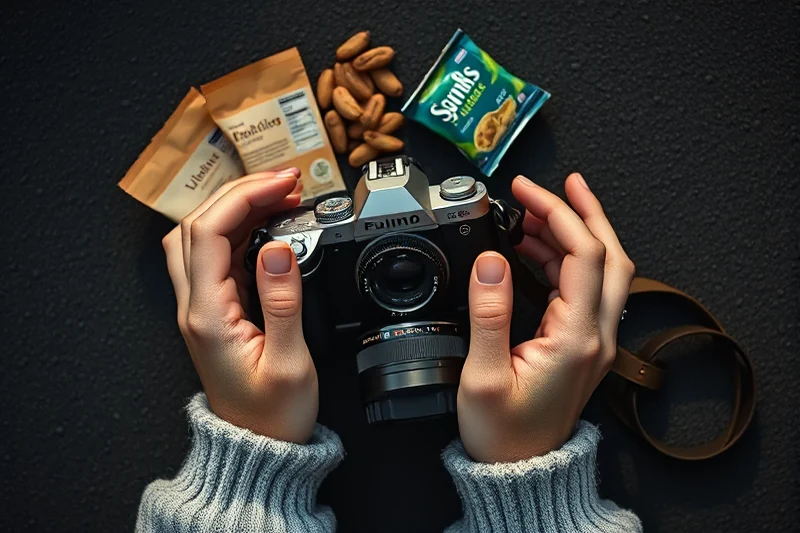
Another trick I use is to pre-portion snacks for the trip. I pack trail mix, energy bars, and fruit in individual portions so I can grab them on the go without rummaging through my bag. I also bring a small first-aid kit with essentials like band-aids, pain relievers, and antiseptic wipes — it’s surprising how often a minor injury can happen during a busy weekend. I keep my toiletries in a clear, leak-proof travel bag, which makes security checks faster and prevents spills in my suitcase.
I’ve also found that rolling clothes instead of folding them saves space and reduces wrinkles. I use a vacuum-sealed compression bag for heavier items like sweaters and jeans, which makes my suitcase more compact. I always pack a lightweight, quick-dry towel — it’s ideal for beach trips or spontaneous swimming opportunities. Lastly, I bring a small backpack to carry my essentials while exploring, which frees up my hands and keeps my phone, wallet, and keys secure.
Navigating Transportation on the Road
I’ve discovered that driving is often the most flexible option for weekend getaways, especially when you’re heading to a destination with limited public transit. I always plan my route using a GPS app like Google Maps or Waze — they give real-time traffic updates and suggest the fastest routes. I also consider the number of people in my group and the size of the car we’ll be using. For a solo trip, a compact car is sufficient, but if I’m traveling with family or friends, I need a larger vehicle with enough space for luggage and comfort.
I’ve also learned that renting a car can be more cost-effective than relying on ride-sharing services for multiple days. I usually compare prices on sites like Expedia or Hertz and look for deals that include free insurance or unlimited mileage. When I travel with a group, I’ve found that splitting costs with friends makes the experience more affordable. If I’m traveling to a city with a good public transit system, I often opt for a train or bus instead of a rental car — it can be cheaper and less stressful, especially in crowded urban areas.
I always check the fuel efficiency of the vehicle I’m driving and plan fuel stops accordingly. I’ve had experiences where running out of gas in a remote area was a real inconvenience, so I make sure to fill up before hitting the highway. I also research the best rest stops or cafes along the route — they’re great for quick snacks or a coffee break. Lastly, I always carry a spare tire and a basic toolkit — even if I don’t think I’ll need them, it’s better to be prepared.
Common Questions
How can I avoid traffic on the way to my destination?
What should I pack for a weekend getaway?
How do I choose between driving or taking public transport?
What’s the best time to visit small towns?
References
- Destination Main Street (dhcd.maryland.gov)
- Dartmouth Debunked, Part 2: Packing (admissions.dartmouth.edu)
- Don't Miss These 25 Winter Adventures in Ohio (development.ohio.gov)
Cite this guide
Weekendgone (2026). Weekend Getaways Routes Checklist. https://weekendgone.com/weekend-getaways-routes-checklist/
Feel free to cite or share this guide.