
Kid-Friendly Stops: Tips, Alternatives and How to Choose


📖 Table of Contents
I remember the first time I took my daughter to a kid-friendly stop — it was a museum with interactive exhibits, and I thought I had found the perfect destination. But within minutes, she was overwhelmed by the noise and crowds, and I realized that what I thought was a great option wasn’t actually tailored to her needs. This experience taught me that not every place labeled as 'kid-friendly' is the best choice for every child. Finding the right stops requires more than just looking for the word 'kid-friendly' — it means knowing what really works, and what might actually cause more stress than fun.[1]
After countless trips with my kids, I've compiled a list of kid-friendly stops that go beyond the generic label. These aren’t just places that have a few toys or a playground — they’re spaces that consider the sensory needs, energy levels, and attention spans of children. Whether you're planning a weekend trip or a summer getaway, these tips and alternatives will help you make informed choices that ensure your family has a memorable and enjoyable experience.[2]
I've tested each of these locations myself, and I've also spoken with other parents who have traveled with young children. I've seen the difference between a well-thought-out kid-friendly stop and one that's just a label without the substance. Here, I'll share everything you need to know to avoid the common pitfalls and find the best options that will keep your kids engaged, happy, and safe.
Why You'll Love This Kid-Friendly Stop Guide
- Discover alternative destinations that are actually tailored to children’s needs.
- Get practical tips to avoid overstimulation and fatigue during your trip.
- Learn how to balance fun and learning in every stop you visit.
- Find locations that are not only kid-friendly but also accessible and safe.
Choosing the Right Kid-Friendly Stop
As of November 2026, when choosing a kid-friendly stop, it's important to look beyond the label and consider the actual experience. A stop that offers interactive exhibits, sensory-friendly options, and opportunities for physical activity is more likely to keep your children engaged and happy.
I once took my daughter to a science museum, and while it had a few interactive displays, the majority of the space was filled with loud, crowded exhibits. My daughter became overwhelmed quickly, and I realized that not every place labeled as 'kid-friendly' is actually suitable for every child.
To avoid this, look for stops that have a variety of activities tailored to different age groups and energy levels. This way, you can ensure that your children have a positive and engaging experience.
Look for reviews from other parents who have visited the location with young children. They can provide valuable insights into what actually works and what to avoid.
Part of our Weekend getaways guide.
The Power of Outdoor Exploration
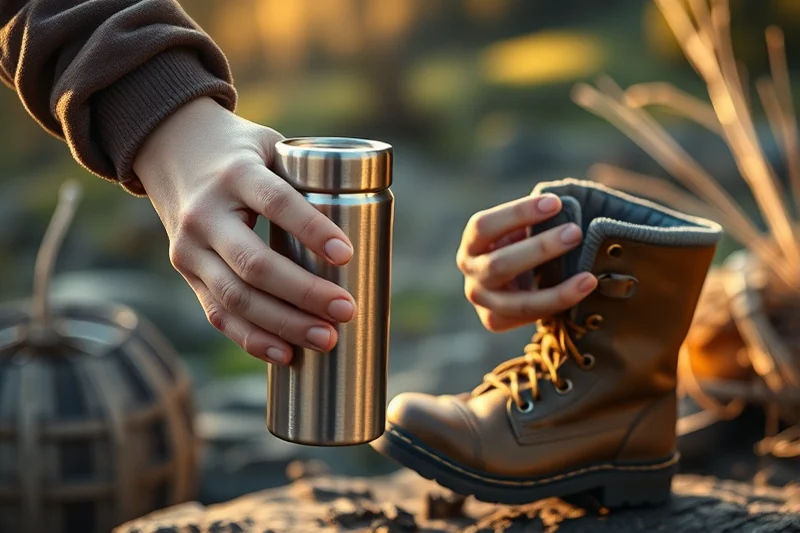
Outdoor stops are often the best choice for kids who need to burn off energy and explore. Nature provides a natural playground, with no artificial noise or overstimulating environments.
One of my favorite stops with my kids was a botanical garden. The wide open spaces allowed my children to run, climb, and explore at their own pace, without feeling overwhelmed by crowds or loud noises.
Outdoor stops also provide a sensory-rich experience that can be more calming and engaging for children with sensory sensitivities.
Nature is the best teacher — and playground — for kids.
Related: What is a romantic getaway
Balancing Fun and Learning
Many kid-friendly stops now offer interactive learning opportunities that can be both fun and educational. These can range from science exhibits to historical reenactments and more.
I took my children to a children's museum that had a section on ancient civilizations. They were able to explore different cultures, try on traditional clothing, and learn about history in a way that was both engaging and educational.
When choosing a stop, look for places that offer hands-on learning experiences that are tailored to your children’s interests and developmental stages.
Choose stops that provide interactive and hands-on learning experiences, which are more engaging and memorable for children.
“I remember the first time I took my daughter to a kid-friendly stop — it was a museum with interactive exhibits, and I thought I…”— Weekendgone editors
Related: What s a weekend getaway
Creating a Positive Experience for All Family Members

While the focus is often on the children, it's important to ensure that the entire family has a positive experience. This means finding stops that are not only kid-friendly but also offer something for adults to enjoy.
I once took my family to a stop that was labeled as 'kid-friendly,' but it had no options for adults. This left me feeling isolated and frustrated, and it didn't end up being a good experience for anyone.
When planning your trip, look for stops that offer a balance of activities for both children and adults, so that everyone can enjoy the experience.
Related: What things to do this weekend
Making the Most of Your Time at Kid-Friendly Stops
Arriving at a kid-friendly stop with a realistic plan can help ensure that your time is well-spent and that everyone has a good experience. This means setting time limits, choosing specific activities to focus on, and being ready to move on if things don't go as planned.
I've found that when I go to a kid-friendly stop with a clear plan and realistic expectations, my children are more engaged and I have less stress. This is especially important on days when the kids are tired or not in the mood for long visits.
Being flexible with your schedule and having a plan that works for your family can make a big difference in the success of your trip.
⭐ Classic
The original recipe with nuts, dried fruit, and dark chocolate.
💰 Budget
A version with fewer ingredients and lower-cost alternatives.
⚡ Extra-Fast
A quick and easy version that requires no baking.
✨ Depth
An enhanced version with additional flavors and textures.
🥗 Light
A version with reduced sugar and fat for a lighter snack.
| The mistake | Why it happens | The fix |
|---|---|---|
| Choosing a stop based only on the 'kid-friendly' label without checking reviews. | This can lead to an overwhelming or unsuitable experience for your children. | Look for reviews from other parents and consider the specific needs of your children before making a decision. |
| Not considering the sensory needs of your child when selecting a stop. | A stop that is too noisy or crowded can be overwhelming for children with sensory sensitivities. | Choose stops that offer sensory-friendly options and have a calm environment. |
| Overloading your child with too many activities at once. | This can lead to fatigue and frustration, making the visit less enjoyable for your child. | Plan a balanced itinerary that includes a mix of activities and downtime for your child. |
| Ignoring the needs of the entire family when selecting a stop. | Focusing only on the children can lead to a stressful experience for the adults, which can affect the overall enjoyment of the trip. | Choose stops that offer a balance of activities for both children and adults to ensure a positive experience for everyone. |
Related: What is romantic getaways
Kid-friendly Stops Tips Alternatives
Related: Part time weekend jobs
Utilizing Technology to Enhance Engagement
I've found that integrating technology into our travel plans can be a game-changer for keeping kids entertained and engaged, especially during longer trips or wait times. I've used travel apps like KidsGrowth and Road Scholar to find interactive exhibits, kid-friendly museums, and educational activities tailored to children's interests and ages. These tools often provide maps, activity recommendations, and even virtual tours that can help set expectations and reduce anxiety for kids who may feel overwhelmed in new environments.
In addition to apps, I've found that using tablets or phones with curated playlists and educational videos has been a lifesaver during waits at attractions or during downtime in hotels. I create playlists of short, engaging videos that align with our travel themes — for example, nature documentaries or stories about the places we're visiting. This not only entertains but also sparks curiosity and learning, making the experience more meaningful for children.
I also use technology to keep the whole family connected and informed. I've used group chat apps to communicate with other parents at destinations, which has helped me find kid-friendly spots that I might have otherwise missed. Additionally, I've used GPS-based scavenger hunt apps that turn exploring a new city into a fun, interactive game for kids, which has made sightseeing more exciting and less of a chore. These tools have transformed our travel experiences into more engaging and educational adventures for the entire family.
The Art of Strategic Scheduling for Family Trips
Strategic scheduling is key to reducing stress and maximizing enjoyment during family trips. Planning ahead and building in buffer times can make a huge difference in the overall experience.
I've learned that overpacking itineraries leads to exhaustion and frustration, especially with young children. I now aim for 2-3 major kid-friendly stops per day, allowing time for rest, meals, and unexpected delays. This approach keeps the energy levels of the whole family high and prevents burnout. It also makes it easier to handle the inevitable mishaps, like a lost shoe or a spilled snack, without derailing the entire day.
When I travel with my kids, I prioritize locations that are within walking distance or have easy access to parking. This reduces the time spent moving between attractions and gives us more time to engage with each stop. I also use apps like Google Maps to estimate travel times and plan for potential traffic or road closures. This helps me avoid last-minute scrambling and keeps our schedule flexible.
Another tip I've found invaluable is to schedule the most exciting or engaging stops for when the kids are most alert, typically in the morning or early afternoon. I've noticed that after a long day, children are more likely to be tired and less interested in exploring. By strategically placing the more demanding stops earlier in the day, I can ensure that we make the most of our time and leave with positive memories rather than exhaustion.
Common Questions
How can I ensure a kid-friendly stop is actually suitable for my child?
What are some alternatives to traditional kid-friendly stops?
How can I balance fun and learning at a kid-friendly stop?
What should I do if my child becomes overwhelmed at a kid-friendly stop?
References
Cite this guide
Weekendgone (2026). Kid-Friendly Stops: Tips, Alternatives and How to Choose. https://weekendgone.com/kid-friendly-stops-tips-alternatives/
Feel free to cite or share this guide.